

Corporate Recruiting
Scaling a corporate recruiting function requires more than adding headcount. These resources cover the operational models, technology decisions, and performance metrics that define recruiting teams built to scale.
Candidate Sourcing Software Vendors, Ranked And Reviewed
Every candidate sourcing software demo looks the same. What separates real pipeline delivery from list-building? See how

.webp)
Start Your Agentic AI Implementation in Recruiting
Autonomous AI hiring tools stall without defined roles and escalation rules. See how to implement AI agents in hiring the right way
.webp)
AI Candidate Matching: From Rankings to Real Reasoning
Most AI resume matching reads documents without context. See how AI candidate matching changes with real signals
.webp)
Candidate Relationship Management Software for Staffing
Candidate relationship management software for staffing firms. Compare 10 recruiting CRM software options.
.webp)
Search and Match Recruiting: Search, Match, Redeploy
Intelligent candidate matching goes beyond keywords to signals recruiters can defend to clients. See how AI should search and match candidates to score fit.
.webp)
Automated Interview Scheduling Built Into the Hiring Flow
Interview scheduling software for recruiters often stops at the invite. See how automated interview scheduling as digital work moves candidates forward.
.webp)
High-Volume Recruiting: Where Manual Workflows Break
High-volume recruiting needs priority logic before more volume hiring software. See how to screen, qualify, and hire at scale without quality drift.
The 11-Hour Illusion: Why Recruiting AI Gains Keep Evaporating
Recruiting AI gains evaporate into botsitting and unchecked hiring decisions. Talent Intelligence is the context layer that fixes both.

Time to Hire vs Time to Fill: What the Gap Tells You
How to Choose the Top Recruiting CRM Software for Corporate
Compare the top recruiting CRM software for corporate TA and the four criteria that change economics.
.webp)
Talent Acquisition Analytics for Decisions
Talent acquisition analytics works inside a loop. Learn how to calculate time to hire and the 5 metrics that matter.
.webp)
Quality of Hire: From Vague Metric to Measurable Signal
Improving quality of hire starts before the offer. Find out how corporate and staffing teams raise their quality of hire.
.webp)
Cost Per Hire: The Spend Line That Hides the Real Cost
Most cost cuts return as turnover and overloaded recruiters. Learn how to reduce cost per hire by fixing capacity and quality
Reading Time to Fill: From Speed Score to Capacity Map
Break time to fill into stages to find the slow one, separate internal delay from your time to fill benchmark, and orchestrate capacity.
.webp)
Salesforce ATS: Why Architecture Decides Outcomes
Most Salesforce ATS evaluations are software comparisons. See why recruiting built inside the Salesforce org produces a fundamentally different function
.webp)
Talent Recruitment Strategies That Compound in 2026
Most talent recruitment tactics are sound. The operating model underneath them is not. See what it takes to make every strategy compound in 2026.
.webp)
How to Choose a Talent Acquisition Platform in 2026
A talent acquisition platform should compound intelligence across cycles, not reset with every req. See how 8 leading platforms stack up in 2026 before you shortlist.
.webp)
The Candidate Tracking System Built for Modern Hiring
Understand what applicant tracking is, how candidate tracking software works, and where most platforms break at the seams
.webp)
Talent Relationship Management: A Corporate TA Playbook
Talent Relationship Management is the infrastructure behind quality of hire, talent acquisition metrics, and warm pipelines.
AI Sourcing Tools That Activate the Right Candidates at the Right Time
AI sourcing tools for recruiters fall short when they search externally and ignore your pipeline. See what works and what to skip.
.webp)
AI-Driven Recruitment: 10 Rules for Smarter Hiring
Chris Davis shares 10 rules for hiring teams ready to work smarter with AI, without overhauling everything at once.

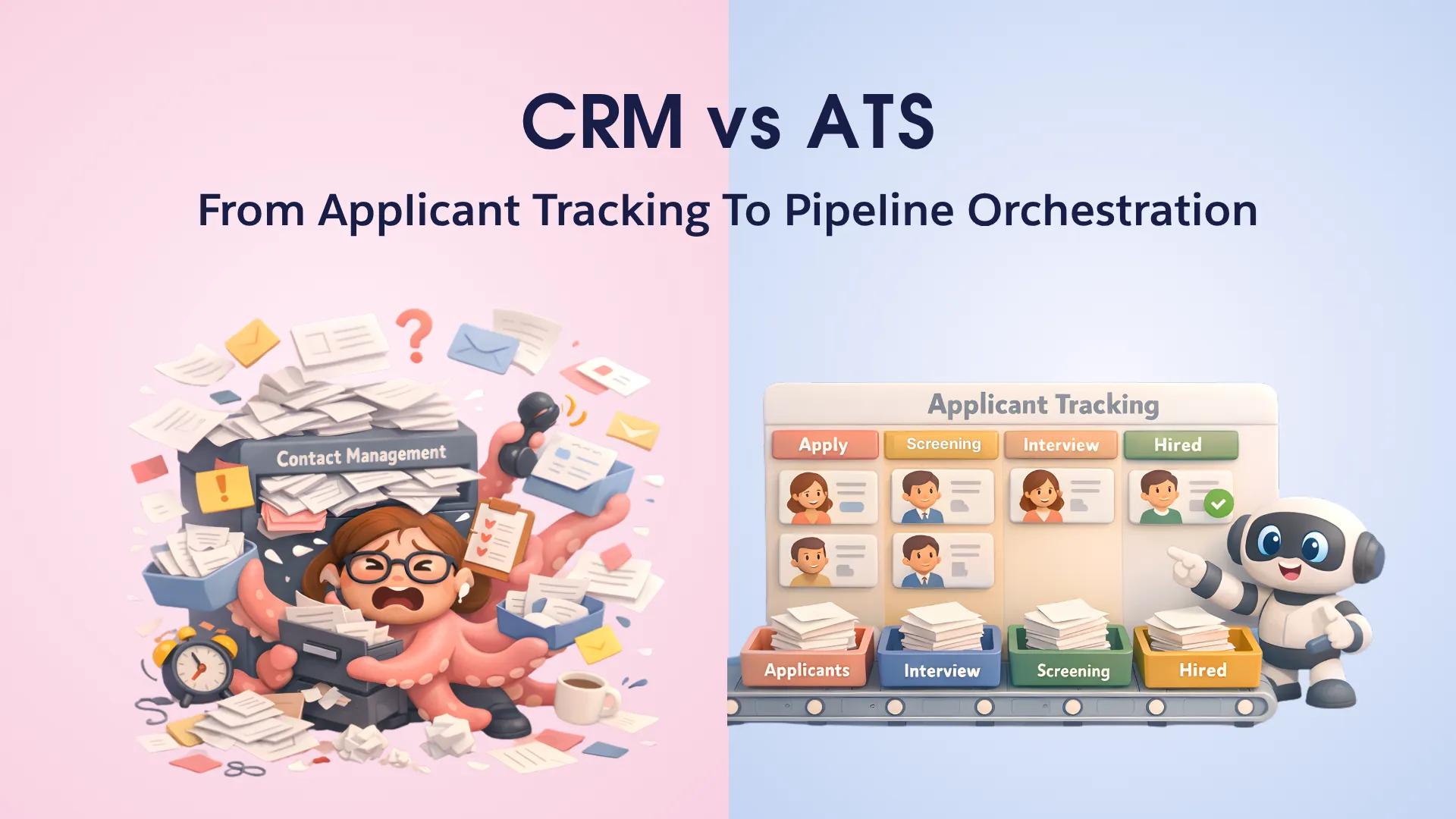
CRM vs ATS: From Applicant Tracking to Pipeline Orchestration
Understand CRM vs ATS differences, why ATS-centric systems limit pipeline growth, and how a CRM-native model changes recruiting strategy
Recruitment Automation Explained: The Gaps Most Hiring Teams Miss
Recruitment automation solved visible friction but left the real problems intact. Discover the structural gaps and what comes next for hiring teams
.webp)
You Cannot Orchestrate a Workforce You Cannot Build
The humans who can manage digital workers are the same people everyone is competing for. Workforce orchestration requires both recruitment technology and digital labor strategy working together.


Applicant Tracking System Problems: Why Your ATS Isn’t Working
Most ATS platforms weren’t built for the way staffing firms actually work. This blog breaks down the hidden flaws holding teams back—and how next-gen solutions like Asymbl’s are fixing them.
.webp)
What Is Digital Labor and Why It's Not the Same as AI Agents
Salesforce built sound AI architecture. Most companies deploy it wrong. Asymbl's workforce orchestration approach treats digital labor like talent, delivering measurable ROI where IT projects fail.

Why Tech Stack Assembly Is the Key to ATS Optimization
The days of the single-vendor, all-in-one staffing technology solution are over. Why? Because there is extensive evidence showing this approach doesn’t work.

Human Workforce Orchestration: Why a People-First Approach Wins
Digital labor fails without humans at the center. Learn why workforce orchestration requires human oversight to unlock productivity and avoid costly risks.

%252520(1).webp)
The 2026 Staffing Dilemma: When More Applications Mean Less Talent
AI made hiring signals cheap and turned recruiters into investigators. The competitive edge now belongs to firms that engineer proof into the system.
Salesforce for Recruiting: Orchestrating a Future-Ready Talent Function
Salesforce provides a powerful system of record for enterprise data, it lacks the specialized workflows required for high-velocity recruiting. Without a recruiting layer, teams often rely on fragmented tools, manual workflows, and disconnected applicant tracking systems that create data silos and slow hiring. This blog shows how Asymbl transforms Salesforce into a complete workforce orchestration platform

Recruiting Funnel Stages, Metrics and AI Explained
Understand the recruiting funnel, its key stages and metrics, and how AI and hybrid workforce design are reshaping pipeline performance in 2026

Recruiting Software: From ATS to Hybrid Workforce
.webp)
Recruiting Tech Stack: Why the Assembly Approach Wins
“All-in-one” platforms aren’t cutting it. This blog explores why leading firms are moving to best-of-breed, modular tech stacks—built on Salesforce—to stay agile, drive innovation, and scale smarter.

Recruiting Technology Trends: Why Specialized Tools Beat All-in-One Platforms
The all-in-one dream is fading. This blog explores why the future belongs to flexible, specialized solutions powered by unified data and AI—and how platforms like Salesforce and Asymbl are leading the charge.
%252520(4).webp)
Rebuilding Workforce Capacity: Why Organizations Must Shift From Vertical Optimization to Holistic Design
How Agentforce enables workforce orchestration at scale by turning AI into digital labor, freeing humans for judgment, leadership, and system design.


How to Connect Your ATS to Salesforce for Staffing Firms
When sales and recruiting teams work from disconnected systems, deals stall and placements suffer. This blog shows how unifying your ATS with Salesforce can streamline workflows, reduce friction, and drive better outcomes across the board.

Is Salesforce the Future of Recruiting for Staffing Firms?
Staffing tech is evolving. Discover why more firms are turning to Salesforce—and how Asymbl is unlocking its full potential for the industry.

Legacy ATS Limitations: Why Your Recruiting System Is Holding You Back
The ATS platforms are not fundamentally flawed. They’re simply not built to support today’s dynamic recruiting environment. As strategies shift to emphasize early engagement, automation, and cross-functional coordination, the supporting systems must shift too.
.webp)
Workforce Orchestration in Recruiting: A Guide for Corporate TA Teams
Corporate recruiting overload isn’t solved by more AI tools; it requires workforce orchestration. Learn how a hybrid workforce of digital and human teammates transforms end to end talent acquisition at scale.
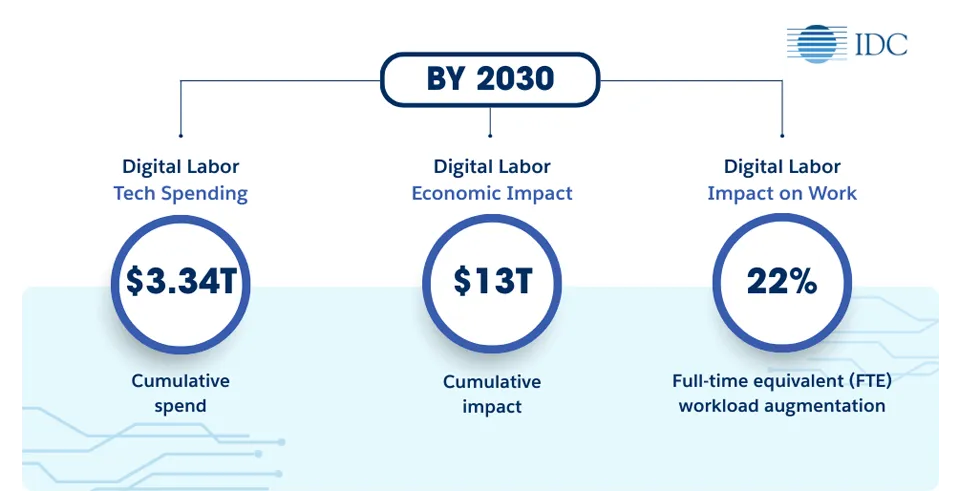
How to Build a Digital Labor Strategy for Your Organization
Here's the playbook for capturing the $13T digital labor upside by 2030: design hybrid teams strategically or risk chaos.
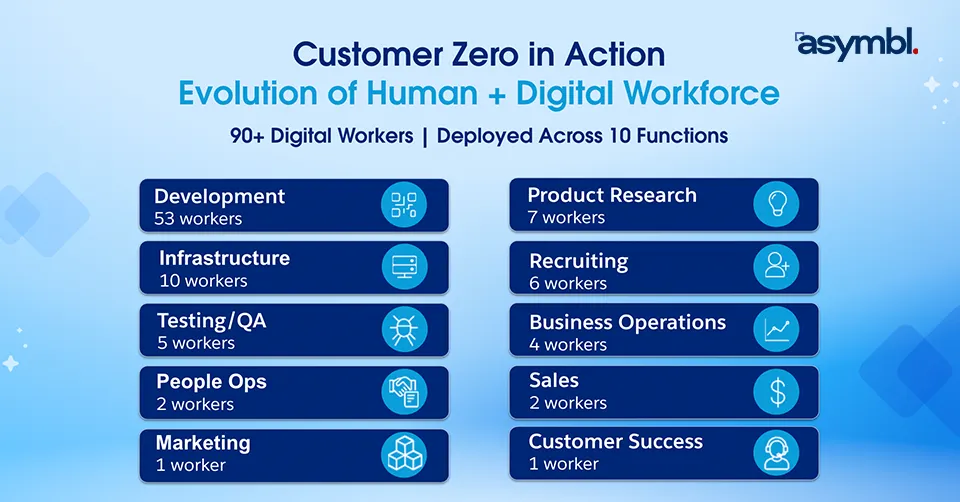
Asymbl's Journey to 40% Digital Workforce and Seeing Results
Asymbl outlines specific workforce orchestration use cases on how they implemented over 60 digital workers in 8 weeks who are orchestrated alongside human workers with a goal of reaching 40% digital labor in 2026.

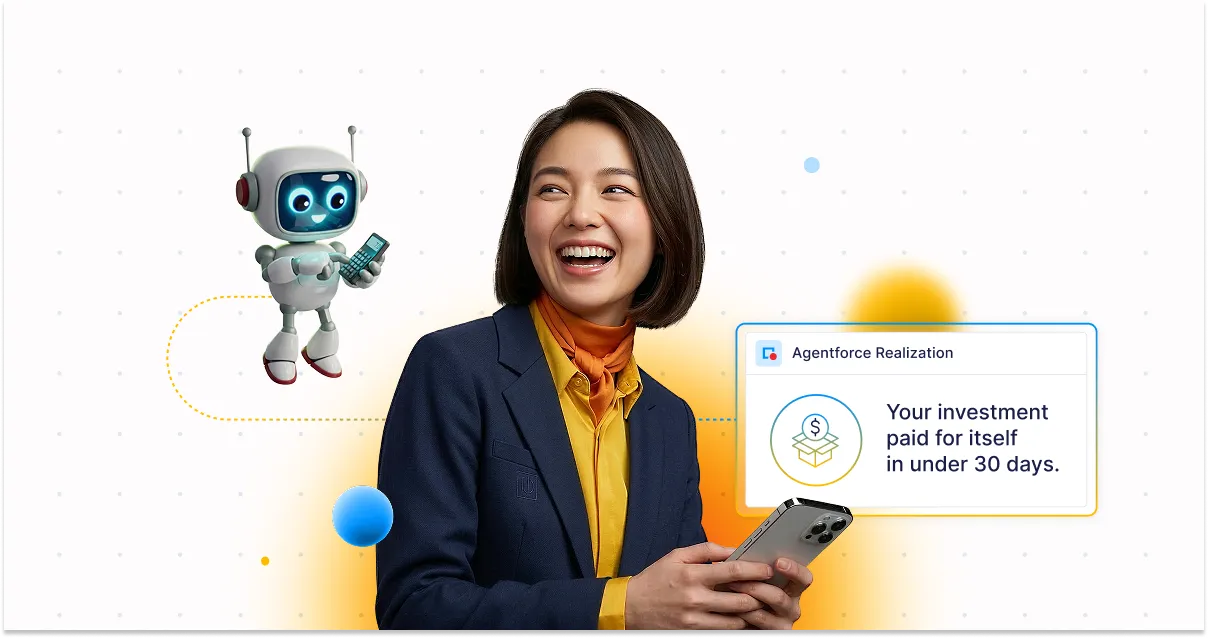
Agentforce ROI: Why Orchestration Is the Gap Between Pilots and Results
Maximize your Agentforce investment with workforce orchestration. Turn AI agents into digital workers that operate in the flow of work and deliver results.
AI Candidate Screening: Designing a Hybrid Hiring System
The Right Fit Starts With a Conversation.
See what working together could look like.
.webp)